


What are my options if I was in a head-on collision?
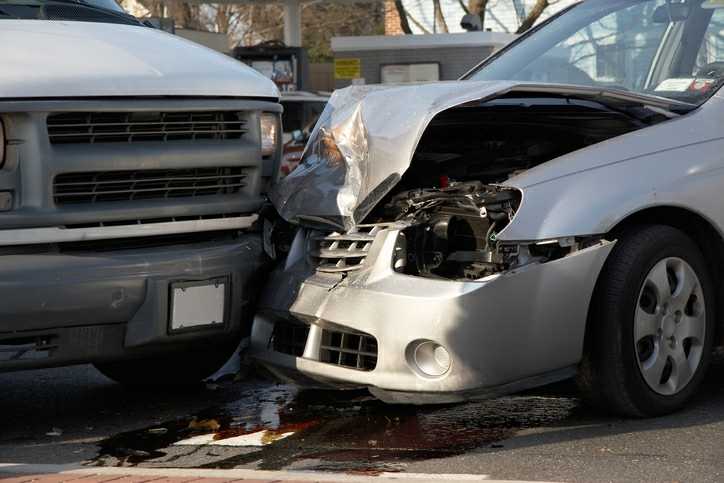
Head-on collisions are typically rare, but are among the most devastating types of car accident. The combined speed of two cars traveling in opposite directions significantly increases the impact of a crash. For example, a frontal collision at 50 mph would cause a significant amount of damage. Now, imagine that speed doubled.
It’s very rare for someone to walk away from a major head-on collision with only minor injuries. These crashes are often fatal, and even those who survive end up with debilitating injuries. Some of the most common injuries caused by head-on collisions include:
- Head injuries
- Injuries to the spine
- Crushed limbs
- Soft tissue damage
- Bone fractures
- Amputations
- Paralysis
- Mental and emotional trauma
The aftermath of a head-on collision can be equally as devastating when you’re trying to pursue compensation and dealing with insurance companies. An experienced car accident attorney can help with that.
What conditions contribute to head-on collisions?
Environmental and roadway conditions can be contributing factors in head-on collisions, including:
- Slippery roads
- Frequent curves in the road
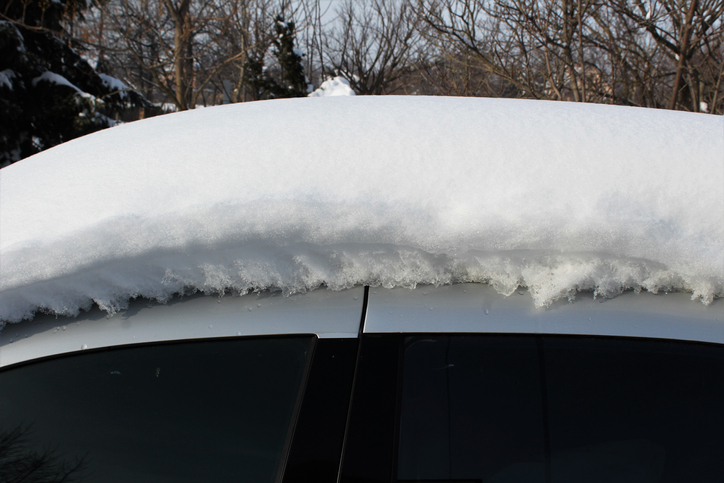
- Visibility issues caused by fog, rain, snow, and poor lighting
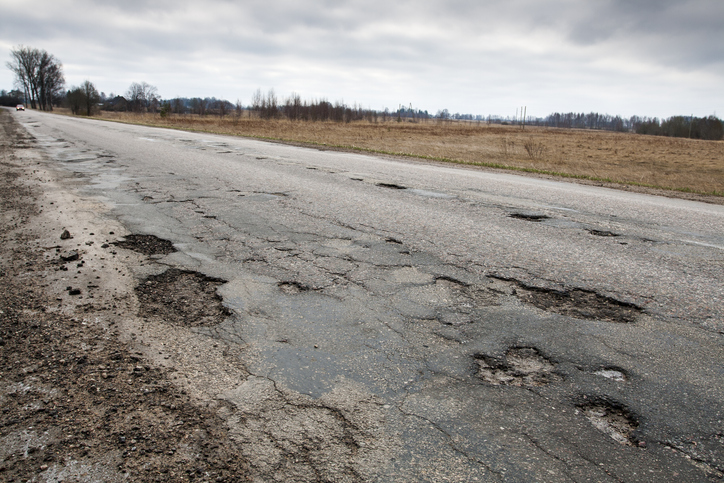
- Potholes and road debris
How does human error lead to head-on collisions?
We can’t always blame the weather and road conditions for head-on collisions. Even when the roadway conditions are unfavorable, drives are still expected to slow down and stay attentive.
Head-on collisions are not caused by environmental factors. Instead, they are caused by human error, such as:
- Distracted driving — Any activity that causes drivers to take their eyes off the road, hands off the wheel, and attention off the task of driving. Cellphones and other electronic devices are the primary causes of distracted driving.
- Drowsy driving — Drivers who fall asleep behind the wheel are at risk of crossing a center line and into oncoming traffic.
- Speeding — When handling curvy roads and environmental factors, drivers must maintain a safe and reasonable speed.
- Drunk driving — Alcohol impairment has a negative effect on judgment, response time, and motor coordination.
- Ignoring signs and signals — Head-on collisions can be caused by drivers who run red lights or fail to acknowledge signs warning of hazardous road conditions.
How can I recover damages after a head-on collision?
If you were involved in a head-on collision, you’re likely dealing with medical bills and other economic damages accrued from your crash. You can’t count on the at-fault driver’s insurance company to gladly compensate you. They care more about cutting their own costs than paying you the damages you’re entitled to.
That’s where an experienced Buffalo car accident attorney at The Law Offices of James Morris can help you. Our legal team can act as a buffer between you and the insurance company and fight for a fair settlement. Contact us online or call 1-800-477-9044 to get started.


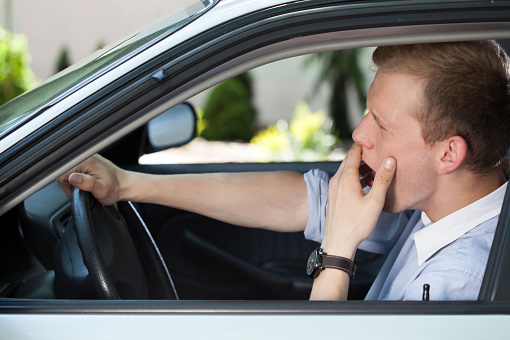 Drowsy driving doesn’t always involve falling asleep at the wheel. It is a form of driver impairment just like drunk driving. The difference is that drunk driving is illegal, but unless a drowsy driver causes a crash, police can’t just take a driver off the road for simply appearing tired. In addition, drowsy driving is very difficult to track and often leaves behind no physical evidence after a crash.
 The 2019/2020 school year has just begun in the greater Buffalo area. That means more kids will be walking, riding bicycles, and being dropped off at school. In addition, buses will be making frequent stops during the morning and afternoon hours.
 Electric scooters may soon become a convenient mode of transportation in Buffalo, according to